ANCEL VD500 Review: A VW and Audi Code Reader With a Battery Test
Published October 30, 2026
As an Amazon Associate we earn from qualifying purchases. This never changes which products we recommend.
Verdict
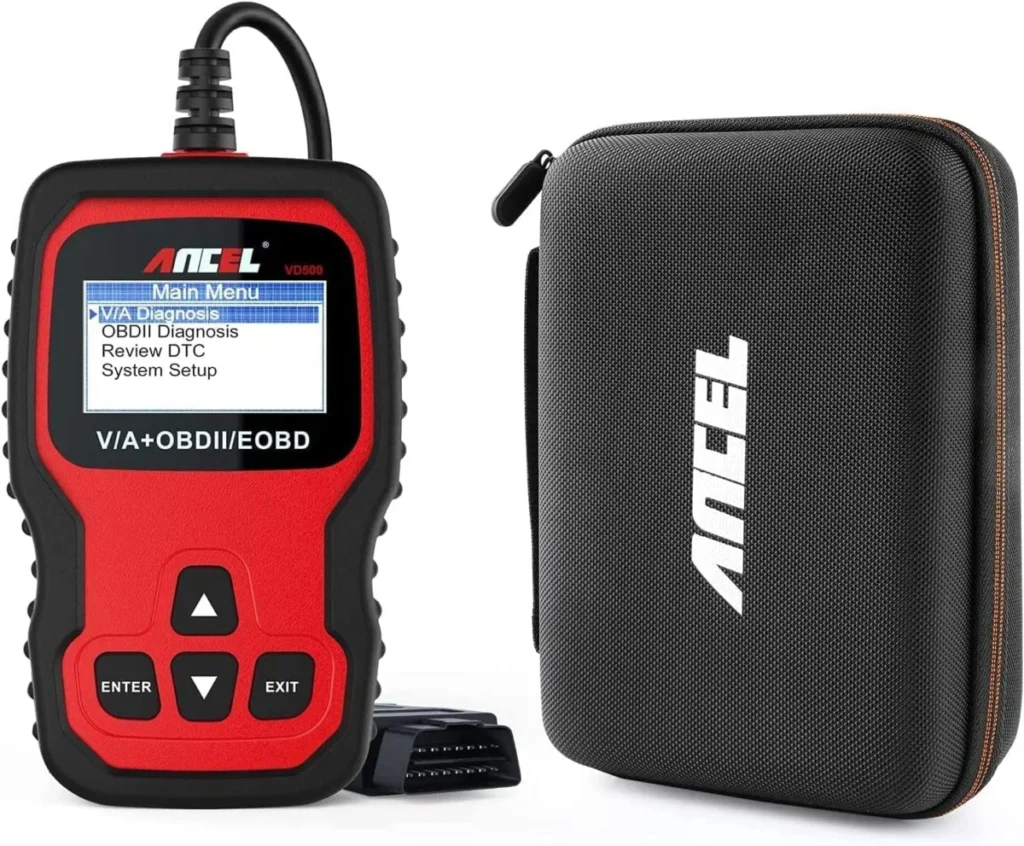
Worth considering
The ANCEL VD500 suits a VW, Audi, Skoda or SEAT owner who wants a simple handheld reader for engine fault codes and a battery test without paying for a full scan tool. It is read-only, so it cannot run active tests, service resets or module diagnostics, and on non-VAG cars it only handles engine codes. Buy it for VAG engine work, skip it if you need ABS, airbag or transmission diagnostics.
- Best for: VW, Audi, Skoda or SEAT owners who want a simple engine-code reader, DIYers who also want a basic battery test from the same handheld tool, Buyers who prefer a wired tool with no phone app or pairing step
- Not for: Owners chasing ABS, airbag or transmission warning lights, Non-VAG owners who want broad multi-brand system coverage
Key takeaways
- The VD500 is a wired code reader, not a bidirectional scan tool, so it reads and clears codes but cannot command components.
- Its deepest coverage is for Volkswagen, Audi, Skoda and SEAT vehicles; on other 1996-and-later OBD-II cars it reads engine codes only.
- A built-in battery test adds a second job beyond fault codes, which many basic readers do not offer.
- The main drawback is scope: no ABS, SRS, transmission or body module access, and no service resets.
Table of contents11 sections · tap to expand
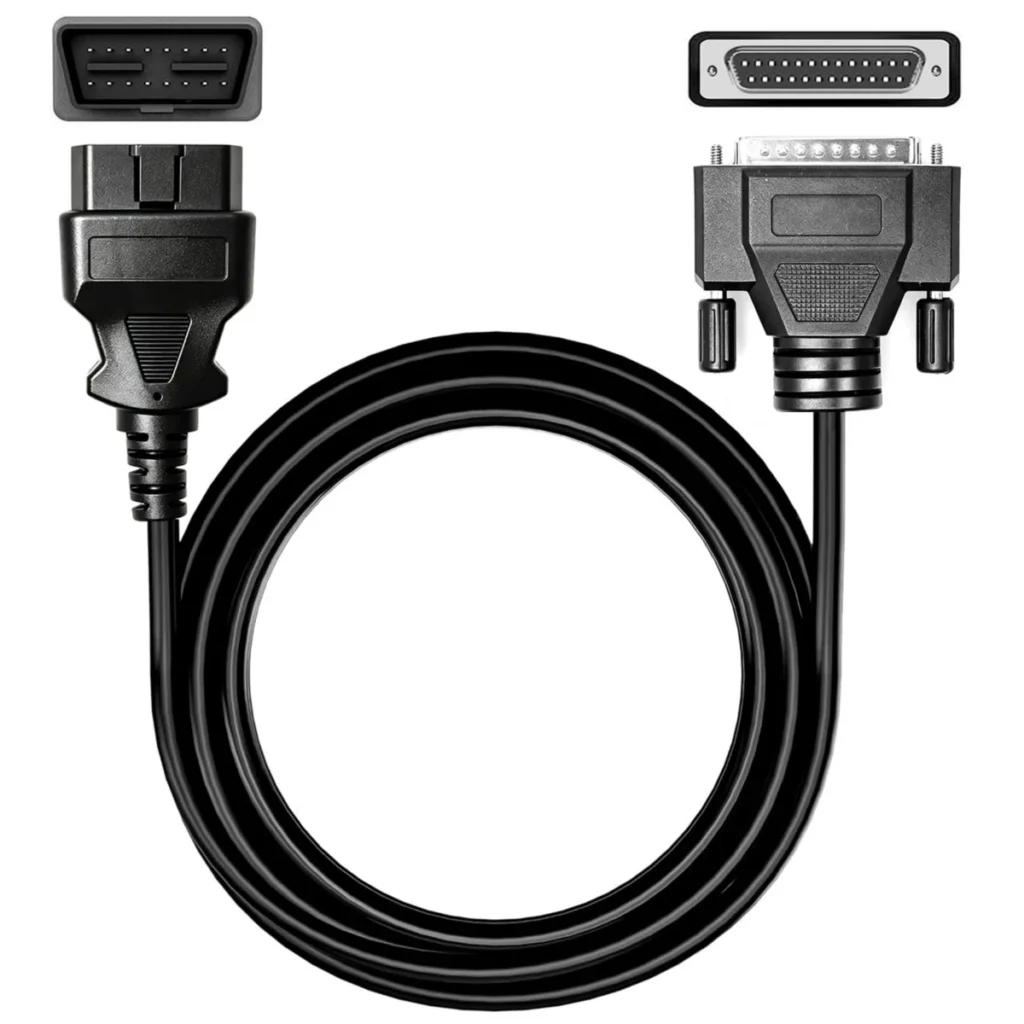
The ANCEL VD500 is a handheld, wired OBD2 code reader aimed at Volkswagen Group cars, meaning Volkswagen, Audi, Skoda and SEAT. It plugs into the 16-pin diagnostic link connector, reads and clears engine trouble codes, and includes a battery test. This ANCEL VD500 review weighs what that combination is actually good for.
Is it worth it? For a VAG owner who wants a straightforward engine-code reader with a battery check, yes, with clear limits. For anyone who needs ABS, airbag or transmission diagnostics, the VD500 is the wrong class of tool and a scan tool with enhanced module support is the better spend.
Specifications
Key specifications
| Specification | Detail | Why it matters |
|---|---|---|
| Type | Code reader | A code reader reads and clears faults but cannot send commands to the car, which caps what repairs it can support. |
| Bidirectional | No (read-only) | Active tests, actuator tests and most service resets are out of reach. |
| Systems | Engine | ABS, airbag, transmission and body modules will not appear, so those warning lights need a different tool. |
| Functions | Battery test | Adds a second use beyond fault codes, useful when a no-start is a weak battery rather than a fault. |
| Protocols | CAN, J1850, ISO 9141, KWP2000 | Covers the main OBD-II protocols used on 1996-and-later cars, so it can connect to most US-market vehicles. |
| Makes covered | Audi, VW, Volkswagen | The deepest coverage is VAG, which is the reason to choose this reader over a generic one. |
What the ANCEL VD500 reads on a car
The VD500 is a code reader, so its job is to pull stored engine trouble codes, show them on its own screen and clear them when the fault is fixed. It covers the engine control module only. On a Volkswagen, Audi, Skoda or SEAT it is built to go deeper into that brand's engine diagnostics, while on other 1996-and-later OBD-II cars it reads and clears engine codes through the standard 16-pin port.
That scope matters in practice. A P0420 catalyst efficiency code or a P0300 misfire code is within reach, and so is a P0171 lean-condition code, because those are engine faults. An ABS light, an airbag light or a transmission fault is not, because those live in modules the VD500 does not address. If a dash warning is not engine-related, this reader will not explain it.
No live data depth, no bidirectional control
The published specifications list the VD500 as read-only, with no bidirectional function. That means it cannot run an active test, cycle a fan, command an EVAP test, retract an electronic parking brake or bleed ABS. Those tasks need a bidirectional scan tool, which is a different and more expensive class of device.
For a buyer, the consequence is simple: the VD500 tells you what the car reported, not what a component does when commanded. That is enough for a check engine light on a VAG car and not enough for brake, airbag or drivetrain work. It also means no service resets such as oil, battery registration or steering angle, so those jobs stay with a shop or a higher-tier tool.
Vehicle coverage and the VAG focus
The VD500 is designed around Volkswagen, Audi, Skoda and SEAT vehicles, and the manufacturer states it can also work on 12V cars and light trucks built in 1996 or later that are OBD-II compliant with a 16-pin connector. The supported protocols are CAN, J1850, ISO 9141 and KWP2000, which covers the main OBD-II families on US roads.
The tradeoff is depth versus breadth. A non-VAG owner gets a basic engine-code reader, which is fine but not distinctive. A VAG owner gets the brand-specific engine coverage this tool was built for. Neither buyer gets ABS, SRS or transmission access, so if those systems are the reason for the purchase, look elsewhere.
Battery test and everyday use
Beyond fault codes, the VD500 includes a battery test. That is a practical addition for a DIYer, because a weak battery causes plenty of electrical complaints that look like faults, and checking it with the same handheld tool saves reaching for a separate tester. The wired, handheld design also means no app, no pairing and no phone battery to manage.
The bundle includes an ANCEL EVA storage bag, which keeps the reader and cable together. The published specifications list battery power as the source, so plan on the tool's own batteries rather than the car's 12V supply. None of this changes the core limit: it is a reader, not a diagnostic platform.
Updates, cost and how it compares
The published specifications do not state an update policy or a subscription for the VD500, so treat software support as unconfirmed rather than promised. That is a real difference from the Autel AL319, which lists free lifetime updates, and from the KONNWEI KW850, which lists updates included with the period not stated. If long-term software support matters to you, ask before buying.
Compared with those two alternatives, the VD500's case rests on its VAG focus and its battery test. The Autel AL319 is the broader multi-brand engine reader with live data, freeze frame and I/M readiness, and the KONNWEI KW850 adds O2 sensor and EVAP tests plus a battery test for a generic OBD-II audience. Choose the VD500 if your garage is mostly VAG; choose one of the others if you want generic coverage with clearer update terms.
Strengths and weaknesses
Pros and cons
Pros
- Built specifically for Volkswagen, Audi, Skoda and SEAT engine diagnostics, which is more focused than a generic reader.
- Reads and clears engine trouble codes through the standard 16-pin OBD-II port on 1996-and-later compliant vehicles.
- Includes a battery test, adding a second practical job to the same handheld tool.
- Wired handheld design needs no phone app, Bluetooth pairing or account setup.
- Ships with an ANCEL EVA storage bag to keep the reader and cable together.
Cons
- Read-only: no bidirectional tests, actuator tests or active commands.
- Engine system only, so ABS, airbag, transmission and body module faults are invisible.
- No service resets such as oil, battery registration or electronic parking brake.
- Update policy and subscription terms are not stated in the published specifications.
Other options
Alternatives to consider
Autel AL319
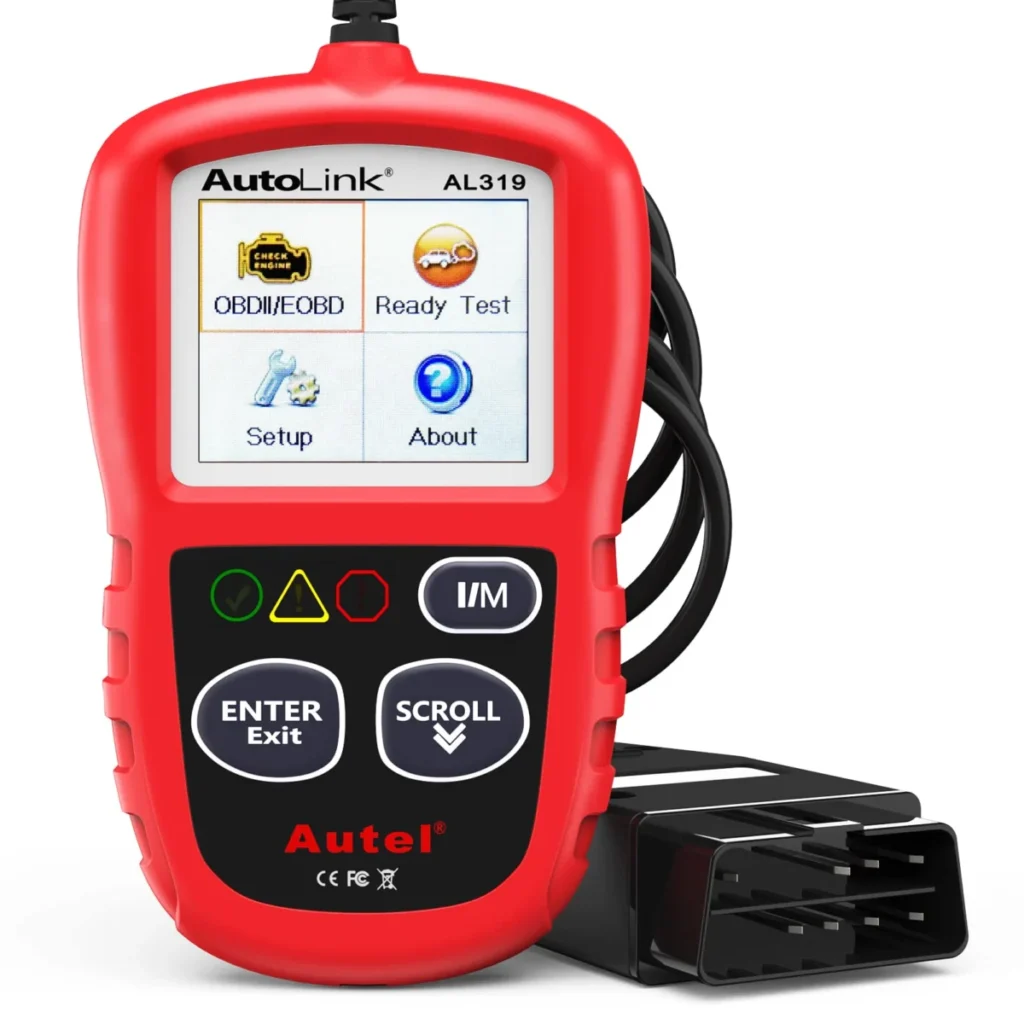
Choose the Autel AL319 if you drive a non-VAG car and want a multi-brand engine reader with live data, freeze frame, I/M readiness and free lifetime updates.
KONNWEI KW850

Choose the KONNWEI KW850 if you want a generic OBD-II reader that adds O2 sensor and EVAP tests alongside a battery test.
See also: ANCEL vs Autel: Match the Scanner Tier to the Fault You Need to Read; ANCEL FX2000 Review: Four-System Codes Without a Phone.
Common questions
Frequently asked questions
Does the ANCEL VD500 read ABS or airbag codes?
No. The VD500 is listed with engine as its only system, so ABS, airbag and transmission modules are not covered. A warning light for those systems needs a tool with enhanced module support, often a bidirectional scan tool or a brand-specific device.
Can the ANCEL VD500 run active tests or service resets?
No. It is a read-only code reader with no bidirectional function, so it cannot command components or perform resets like oil, battery registration or electronic parking brake.
Will the ANCEL VD500 work on my non-VW car?
It can read and clear engine codes on 12V cars and light trucks from 1996 or later that are OBD-II compliant with a 16-pin connector. The deeper brand-specific coverage is reserved for Volkswagen, Audi, Skoda and SEAT vehicles.
Does the ANCEL VD500 need a phone or an app?
No. It is a wired handheld reader with its own screen, so there is no app to install and no Bluetooth pairing. The published specifications list battery power as its source.
Does the ANCEL VD500 come with updates?
The published specifications do not state an update policy or subscription for the VD500. Confirm software support with the seller before buying if long-term updates matter to you.
Bottom line
Should you buy the ANCEL VD500?
The ANCEL VD500 is a sensible buy for one narrow buyer: someone with a Volkswagen, Audi, Skoda or SEAT who wants a simple wired reader for engine codes plus a battery check. It does that job without an app or a subscription question hanging over the purchase, and the included storage bag keeps it tidy.
Everyone else should pause. If your warning light is ABS, airbag or transmission, or you need active tests and service resets, the VD500 cannot help and a bidirectional scan tool is the right class. If you simply want broad engine-code coverage across many brands, the Autel AL319 or KONNWEI KW850 fit that brief better.
Keep reading
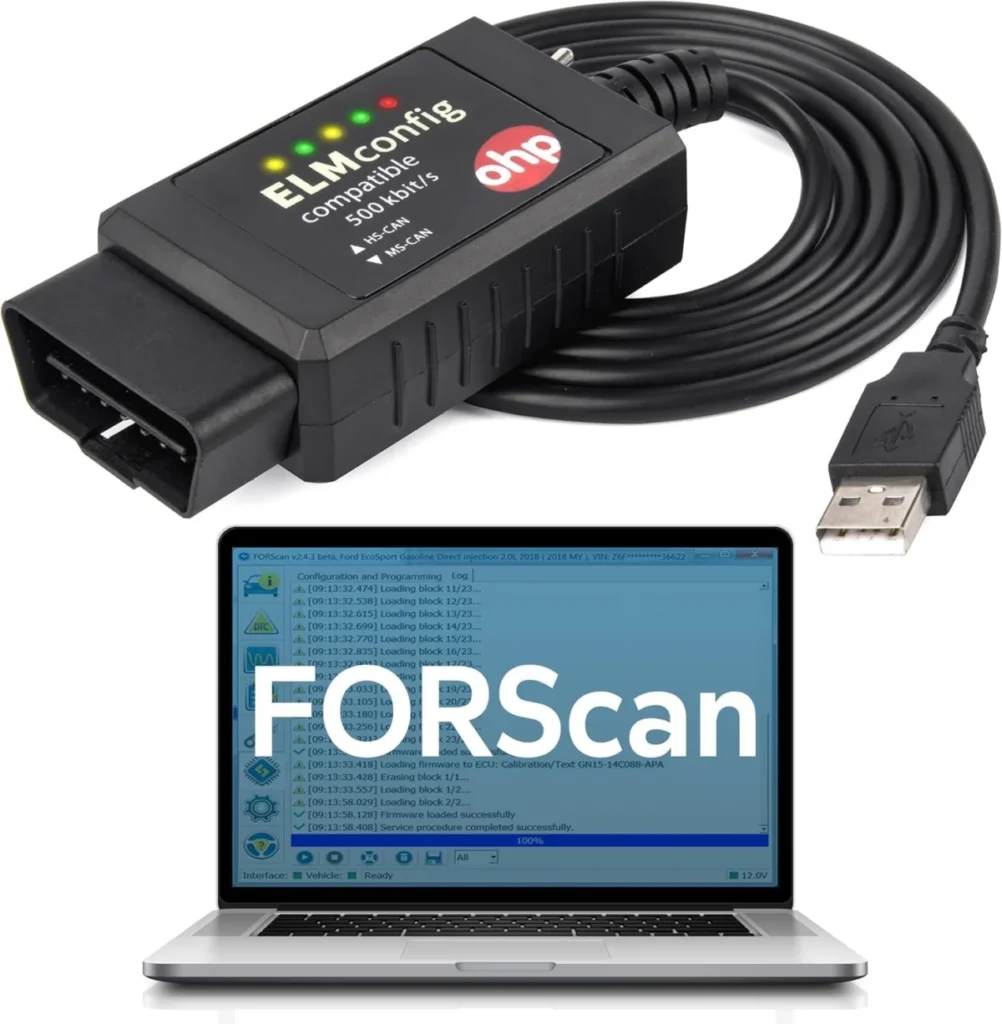
FORScan ELM327 Review: What the OHP Adapter Can and Cannot Read
The OHP FORScan ELM327 gives Ford owners a stable wired USB link to FORScan for engine, ABS and transmission codes. No bidirectional…
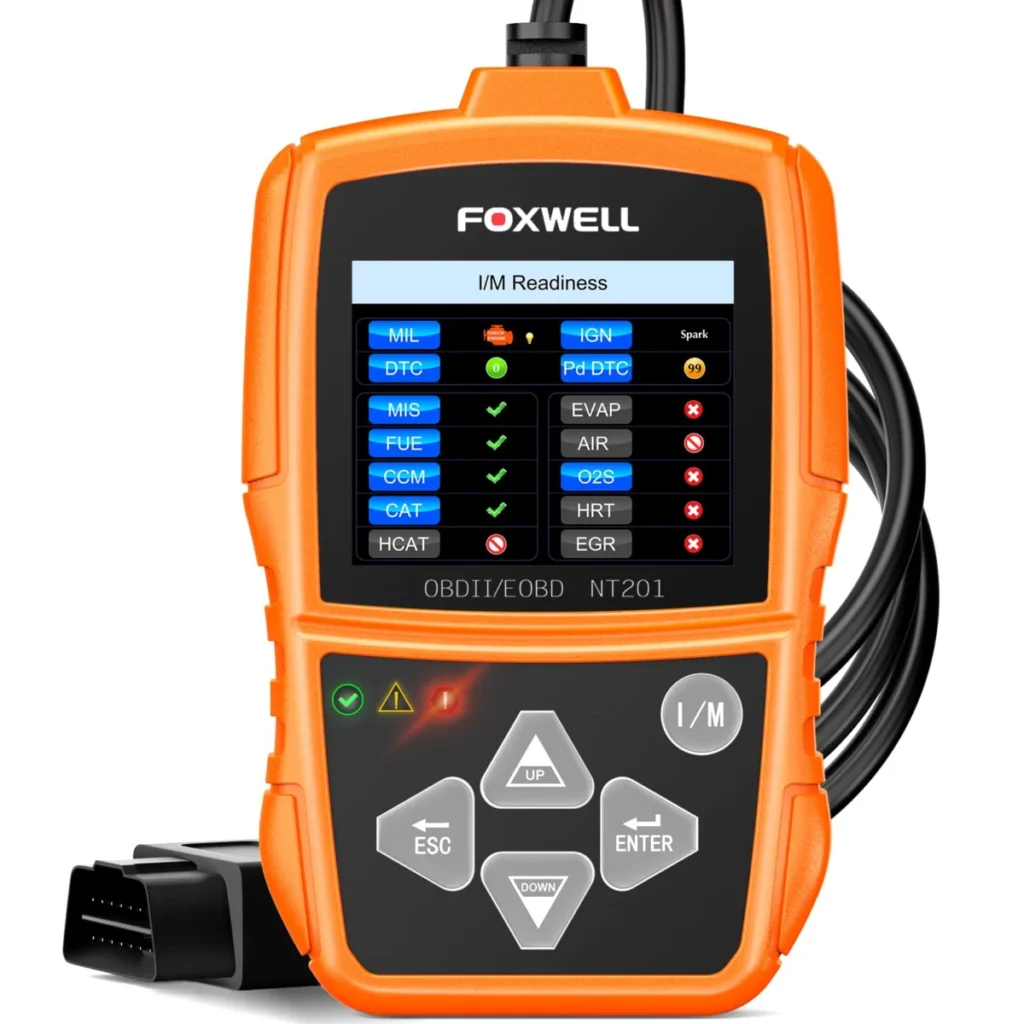
FOXWELL NT201 Review: Engine Codes, Live Data and No Subscription
Is the Foxwell NT201 worth it? Our review weighs build, upkeep and value, its pros and cons, and who should pick an…
Innova 5610 Review: What It Reads, What It Cannot Command
Innova 5610 review: device class, systems covered and bidirectional active tests, honest pros and cons, and a clear verdict on who should…