FOXWELL NT201 Review: Engine Codes, Live Data and No Subscription
A focused review of the FOXWELL NT201, a wired engine and emissions code reader with a 2.4-inch color screen, live data and lifetime free updates.
Author profile
OBD-II Scanner Specialist | Automotive Diagnostics & Scan Tool Reviews
Donald Glover focuses on automotive onboard diagnostics (OBD), with particular attention to OBD-II scanners, diagnostic code readers, vehicle troubleshooting, and automotive diagnostic software.
His work explores how diagnostic tools communicate with vehicle systems, what information different scanners can retrieve, and which features are most useful for home mechanics, DIY car owners, and automotive enthusiasts.
From entry-level code readers to advanced bidirectional scan tools, Donald's goal is to make automotive diagnostic technology easier to understand and help readers choose equipment that matches their vehicles and diagnostic requirements.
Comparing handheld scanners, Bluetooth diagnostic adapters, wireless scan tools, and professional-grade diagnostic equipment based on their supported functions and intended applications.
Explaining generic and manufacturer-specific trouble codes, their possible causes, and the additional checks required before deciding which component may be faulty.
Examining real-time parameters such as engine speed, coolant temperature, fuel-system data, oxygen sensor readings, and other supported diagnostic information.
Understanding model-year coverage, supported vehicle makes, OBD protocols, connector compatibility, and the distinction between generic OBD-II functions and manufacturer-specific diagnostics.
Comparing features such as ABS and airbag diagnostics, service resets, electronic parking brake functions, battery registration, and bidirectional controls, while identifying the vehicle and tool limitations that may apply.
Reviewing app compatibility, supported operating systems, connection methods, data access, subscription requirements, and the practical differences between wireless adapters and dedicated scan tools.
Donald uses a structured evaluation framework to help readers compare automotive diagnostic tools on meaningful criteria.
Evaluating supported functions, including reading and clearing diagnostic trouble codes, displaying live data, retrieving freeze-frame information, checking emissions readiness, and accessing enhanced vehicle systems where supported.
Examining manufacturer compatibility lists, model-year coverage, supported protocols, and any restrictions affecting particular vehicles or diagnostic functions.
Considering interface design, display readability, menu navigation, setup requirements, software installation, and the clarity of diagnostic information.
Comparing wired and wireless connections, Bluetooth compatibility, mobile applications, firmware updates, and recurring subscription costs.
Distinguishing basic code-reading functions from enhanced diagnostics, bidirectional testing, coding, programming, and service procedures. These capabilities are not available on every scanner or vehicle.
Comparing supported features, update policies, warranty coverage, software costs, and suitability for different users, from occasional DIY owners to experienced automotive technicians.
A diagnostic trouble code can help identify the system or condition that triggered a vehicle's onboard diagnostic monitoring. However, a code does not always identify a failed component conclusively.
Donald emphasises interpreting codes alongside freeze-frame information, live data, technical service information, and appropriate diagnostic tests. This approach helps readers avoid unnecessary parts replacement and understand why further testing may be needed.
Automotive diagnostic tools vary significantly in their capabilities. A scanner that reads generic engine codes may not support ABS, airbag, transmission, manufacturer-specific, or bidirectional functions.
Donald's content aims to distinguish advertised features from confirmed capabilities and explain important limitations in clear language. Vehicle compatibility and supported functions should be checked against current manufacturer documentation before purchase.
Product assessments should also distinguish physical testing from research based on specifications, manuals, compatibility databases, and manufacturer claims.
Choosing an OBD-II scanner depends on the vehicle, the diagnostic systems a user needs to access, the level of technical experience involved, and the available budget.
Through focused product reviews, comparison guides, and explanations of diagnostic functions, Donald aims to help readers understand their options and make informed purchasing decisions.
His editorial focus remains on OBD-II diagnostic tools, scanner functionality, vehicle compatibility, and practical automotive diagnostics.
How we research · Affiliate disclosure · Contact
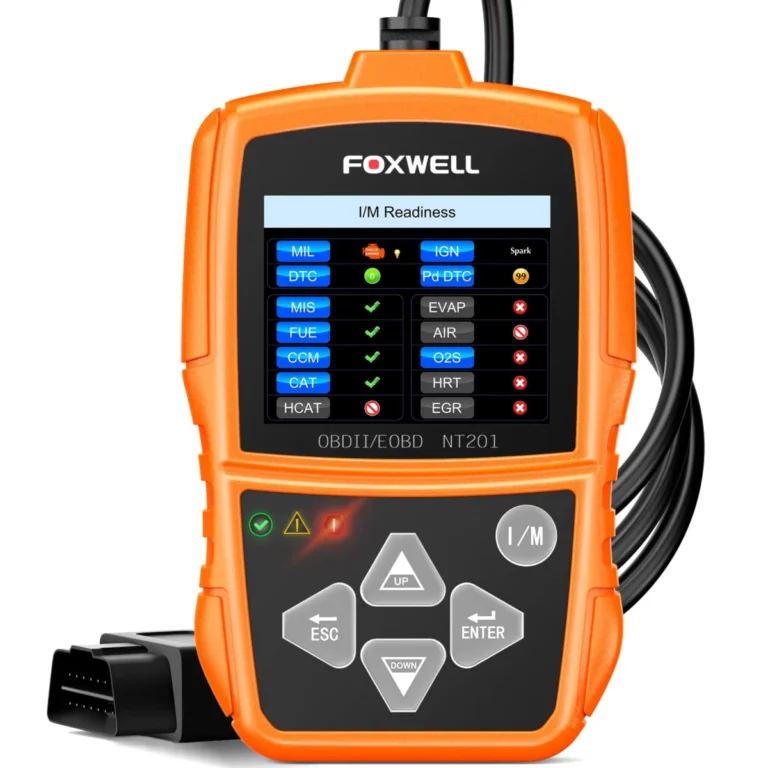
A focused review of the FOXWELL NT201, a wired engine and emissions code reader with a 2.4-inch color screen, live data and lifetime free updates.
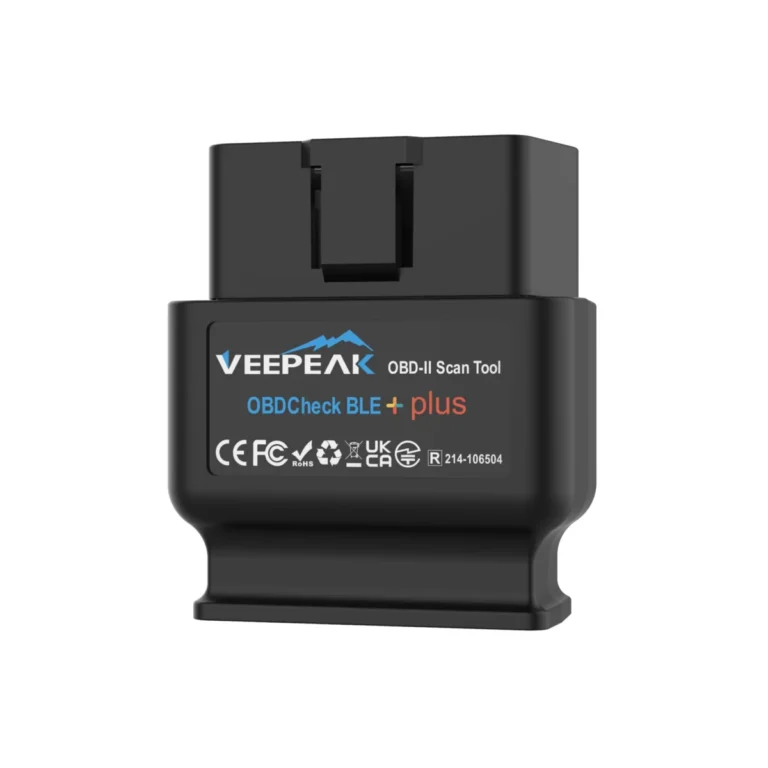
A practical guide to picking a Bluetooth OBD2 adapter that pairs reliably with your phone and app, with the limits of each dongle and when a Wi-Fi adapter.
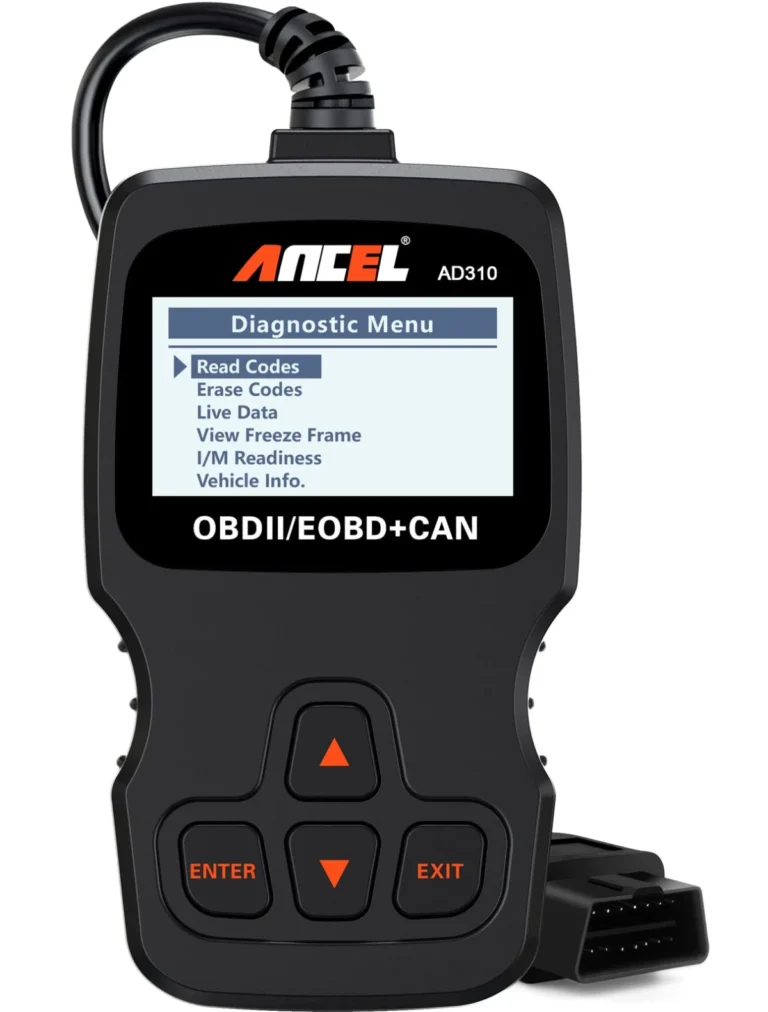
ANCEL and Autel both sell code readers and bidirectional scan tools, so the brand name decides nothing on its own. The tier you buy decides which modules.
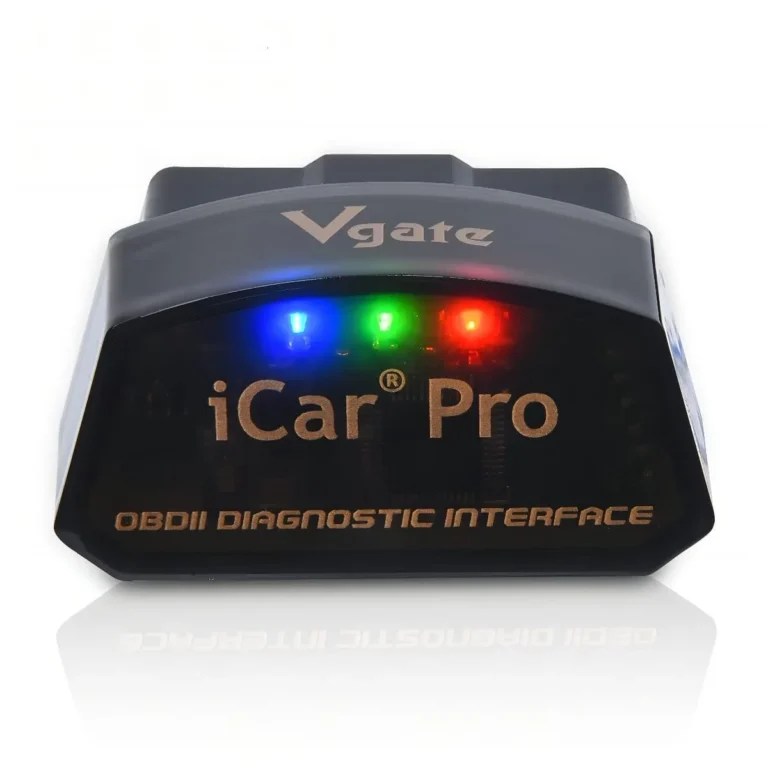
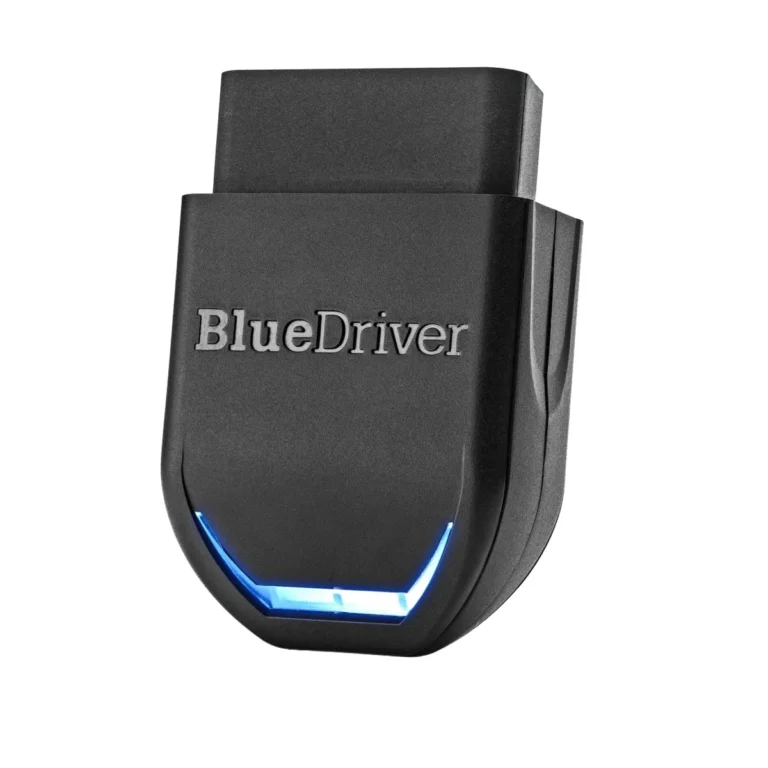
The Vgate iCar Pro is a compact Bluetooth LE OBD2 adapter that turns your phone into a basic engine-code reader. It reads generic powertrain data only.
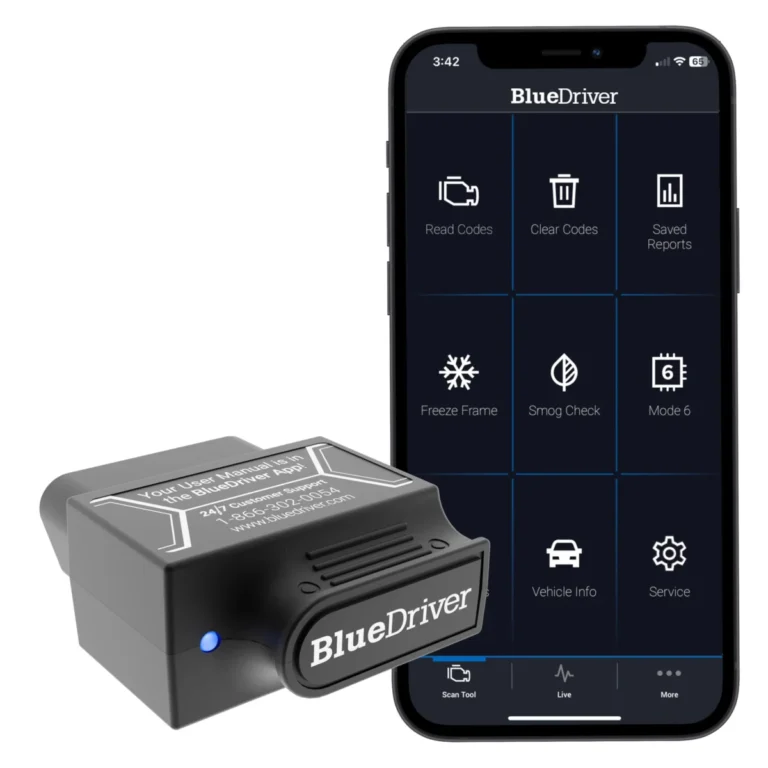
The BlueDriver app is the free phone interface for the BlueDriver Bluetooth OBD2 adapter. It reads engine, ABS, SRS, transmission and TPMS codes.
A ranked guide to the OBD2 scanners that can program or relearn TPMS sensors, with the make and sensor limits that decide whether the function works.

A basic handheld Code Reader reads and clears engine codes; an enhanced consumer OBD2 scanner adds live data, freeze frame depth and, on some models, ABS.
A phone-based Bluetooth adapter and a wired handheld code reader solve different problems. The deciding tradeoff is app dependence and phone screen versus.
OBD is the family of diagnostic standards and OBD2 is the 1996-and-newer version, so the real decision is between a phone-based adapter and a handheld.
Autel and Launch both build code readers, mid-range scan tools and professional bidirectional tablets, so the brand name tells you little.