Autel vs Launch: Which Brand to Buy at Each Budget and Job
Published October 29, 2026
The Autel vs Launch question has no single answer, because both brands sell across every tier from a handheld code reader to a shop tablet. Choose Autel when you want a broad multi-make handheld with a large installed base of service resets and a clear upgrade path; choose Launch when a local dealer or shop already supports Launch software and you want the same tier of coverage through that channel.
The deciding tradeoff is not the badge but which tier you buy and how its updates are paid for over the years you keep the tool.
Both lineups follow the same ladder: an entry code reader that reads and clears engine codes, a mid-range OBD2 scan tool that adds live data and some enhanced modules, and a professional bidirectional scan tool that sends commands, runs service resets and handles coding. Comparing a flagship against an entry tool from the other brand is the most common mistake buyers make. Match tier to tier, then compare systems covered, update cost and platform.
Quick verdict
Autel and Launch are both full-range diagnostic brands, and the right pick depends on the tier you are shopping in and how you will pay for updates. Neither brand is better across the board.
Autel
Broad multi-make handheld ladder
Choose Autel if you want a wide multi-make handheld lineup with a well-known path from entry code reader to shop tablet and you value a large community of users and resellers.
Launch
Shop-rooted, reseller-supported
Choose Launch if your local support, existing shop software or preferred reseller is Launch-based and you want equivalent tier coverage through that channel.
Key takeaways
- Compare Autel and Launch tier to tier, because an entry code reader from one brand is not the rival of the other brand's shop tablet.
- The tier you buy decides which modules you can see: engine only at entry, ABS, SRS and transmission only where the listing says so.
- Software policy, free updates versus a paid subscription or tool-side license, changes the total cost more than the purchase price at the professional tier.
- Neither brand replaces a make-specific tool for deep coding on one marque, and neither connects to OBD1 or J1939 without the right adapter.
Table of contents9 sections · tap to expand
What is Autel?
Autel is a diagnostic brand that sells a tiered range of handheld code readers, OBD2 scan tools and bidirectional tablets, with service resets and coding concentrated in its higher tiers.
What is Launch?
Launch is a diagnostic brand with roots in professional garage equipment that also sells a tiered range of code readers, scan tools and bidirectional tablets, with subscriptions and tool-side licenses shaping its cost.
At a glance
Autel vs Launch at a glance
| Criterion | Autel | Launch |
|---|---|---|
| Device class at each tier | Code reader, OBD2 scan tool, bidirectional tablet | Code reader, OBD2 scan tool, bidirectional tablet |
| What the tool can command | Active tests and actuator control on bidirectional tiers only | Active tests and actuator control on bidirectional tiers only |
| Systems covered by tier | Engine at entry; ABS, SRS, TCM and body only where listed | Engine at entry; ABS, SRS, TCM and body only where listed |
| Vehicle and make coverage | Multi-make OBD-II; OBD1 and J1939 need listed adapters | Multi-make OBD-II; OBD1 and J1939 need listed adapters |
| Service resets and coding | Oil, EPB, battery, steering angle, DPF, TPMS, coding on higher tiers | Oil, EPB, battery, steering angle, DPF, TPMS, coding on higher tiers |
| Software update policy | Varies by model: free lifetime or paid subscription | Varies by model: subscription and tool-side licenses |
| Platform | Handheld screen; some Bluetooth and Windows options | Handheld screen; some Bluetooth and Windows options |
| Ease of use | Menu-driven handhelds aimed at owners and techs | Garage-oriented menus familiar to shop techs |
| Value at a given tier | Depends on resets and updates bundled at that tier | Depends on resets and updates bundled at that tier |
Key differences
7 key differences between Autel and Launch
1. Map the lineups tier by tier before comparing brands
Autel and Launch both sell three practical tiers: a handheld code reader that reads and clears engine trouble codes, a mid-range OBD2 scan tool that adds live data (PIDs), freeze frame and often some enhanced modules, and a professional bidirectional scan tool that sends commands to the car. Comparing an Autel shop tablet against a Launch entry reader tells you nothing useful, because they are different device classes.
The consequence for a buyer is simple: pick the tier your job needs first, then compare the two brands at that tier. A DIY owner chasing a check engine light and I/M readiness monitors is shopping in the entry tier, while a shop running actuator tests and service resets is shopping in the professional tier. The brand question only becomes meaningful once the tier is fixed.
2. Reading modules versus commanding them
Both brands separate reading from commanding. At the entry tier, an Autel or Launch code reader reads generic powertrain codes and emissions data from the engine control module over the OBD-II port, the 16-pin J1962 diagnostic link connector. It does not see ABS or SRS airbag faults, because those modules need enhanced manufacturer-specific support that entry tools do not carry.
Bidirectional control, meaning active tests and actuator commands such as cycling a fan, running an EVAP test or retracting an electronic parking brake, appears only in the higher tiers of both brands. If your job is brake service or chasing an ABS light, you need a tier that lists bidirectional control and ABS coverage, not just a brand name. Confirm both on the listing before you buy.
3. Service resets and coding by tier
Service resets are where the tiers diverge most. Oil reset, electronic parking brake retraction, battery registration, steering angle reset, DPF regeneration and TPMS are typically bundled into the bidirectional tiers of both Autel and Launch, and coding or adaptation sits above that. An entry code reader from either brand performs none of these.
For a home mechanic doing brakes and oil changes, the practical question is which tier includes EPB retraction and an oil reset at a price you accept. For a small shop, the question is how many makes those resets cover and whether the tool needs a paid license to unlock them. Read the function list for the exact model rather than assuming the brand includes it.
4. Software updates and cost over the life of the tool
Autel and Launch both mix free updates with paid subscriptions depending on the model, and both sell tool-side licenses that unlock functions. That policy, not the sticker price, often decides the total cost over five years of ownership. A tool with free lifetime updates at the tier you need can cost less than a cheaper tool with an annual subscription.
The consequence is that you should price the subscription alongside the hardware. Ask what the first year includes, what renewal costs and whether resets or coding need a separate license. Neither brand publishes one policy across its whole range, so the answer lives in the specific model's listing.
5. Vehicle coverage: OBD-II, OBD1 and heavy duty
Both brands cover OBD-II cars, mandatory in the US from 1996 and on CAN bus from 2008, and EOBD petrol cars in Europe from 2001. Pre-1996 cars need an OBD1 adapter cable matched to the connector, and heavy-duty trucks use J1939, often at 24V. An adapter changes the plug, not the protocol, so the scan tool behind it must support that vehicle.
Before buying either brand, confirm the tool lists your model year, your region's protocol and, for trucks, J1939. Electric and hybrid cars expose limited data over OBD2, and motorcycles usually need a dedicated tool. If your car is a pre-1996 or a heavy-duty truck, check coverage first and treat the brand comparison as secondary.
6. Platform, screen and who is holding the tool
Autel and Launch both lean on handheld tools with built-in screens, and both offer Bluetooth and Windows software options on some models. A handheld with a screen suits a shop technician who wants a self-contained tool, while a Bluetooth OBD2 adapter paired with a phone app suits an owner who prefers a larger display and stored logs.
Ease of use splits along the same line. Autel's handheld menus are aimed at both owners and technicians, while Launch's garage heritage shows in menus familiar to shop techs. Neither is hard to use at the entry tier; the difference matters most at the professional tier, where menu depth and workflow speed affect a busy shop.
7. When neither brand is the right buy
A basic code reader job, reading and clearing a P0420 or P0300 and checking readiness monitors, is served by either brand's entry tier, and a cheap generic reader does the same thing. Deep coding or key programming on one marque often needs a make-specific tool such as FORScan for Ford or BimmerCode for BMW, which neither brand replaces.
A scanner also reads and clears codes; it does not fix the fault. Clearing codes resets readiness monitors and the fault can return, so it does not pass an emissions test by itself. For brake, airbag, steering or oil-pressure warnings, treat the code as a pointer to a system and involve a qualified mechanic.
Autel: strengths and limitations
Autel sells a broad multi-make ladder from entry code readers to professional bidirectional tablets, with service resets and coding concentrated in the higher tiers. Its handhelds suit owners and technicians who want a self-contained tool with a clear upgrade path.
Strengths
- Full tier range from code reader to shop tablet under one brand
- Service resets and bidirectional control available at the higher tiers
- Handheld screens suit both DIY owners and shop technicians
- Reseller network and user community make the upgrade path easier to follow
Limitations
- Entry tier reads engine codes only, with no ABS or SRS
- Updates and resets vary by model, with some requiring paid subscriptions or licenses
- Does not replace a make-specific tool for deep coding on one marque
Launch: strengths and limitations
Launch brings garage-equipment roots to the same three tiers, with subscriptions and tool-side licenses shaping cost. Its professional tools are familiar to shop technicians, and its entry readers cover the same basic engine-code job.
Strengths
- Full tier range from code reader to bidirectional tablet
- Garage-oriented menus that shop technicians recognize
- Bidirectional control and service resets at the higher tiers
- Multi-make OBD-II coverage across the range
Limitations
- Subscription and license structure varies by model and adds to lifetime cost
- Entry tier cannot see ABS or SRS faults
- OBD1 and J1939 need listed adapters or specific models
Decision guide
Which should you choose?
| If you… | Choose | Why |
|---|---|---|
| DIY owner with a P0420 or P0300 code who only needs to read, clear and check readiness | Either | An entry code reader from either brand reads and clears engine codes; the tier, not the brand, decides the job. |
| Used-car buyer who wants ABS and airbag codes read before purchase | Either | Both brands offer mid-range tools that read ABS and SRS, but only if you buy the tier that lists those modules. |
| Home mechanic doing brake work who needs EPB retraction and an oil reset | Either | EPB retraction and oil reset appear in the bidirectional tiers of both brands, so compare which tier includes them. |
| Small independent shop choosing a multi-make bidirectional tablet | Either | Both sell shop tablets; the decision turns on local support, update cost and the makes you actually service. |
| Owner of a pre-1996 or heavy-duty J1939 vehicle | Either | Neither brand connects to OBD1 or J1939 without the matching adapter or a tool that explicitly lists that coverage. |
Choose Autel if
- You want one brand's ladder from entry reader to shop tablet with a well-known upgrade path.
- You are a DIY owner or technician who prefers a self-contained handheld with a built-in screen.
- The tier you need lists the service resets and bidirectional tests your job requires.
- You service several makes and want broad multi-make OBD-II coverage at a mid-range price.
Choose Launch if
- Your local support, reseller or existing shop software is Launch-based.
- You are a shop technician who prefers garage-style menus and workflow.
- The Launch model at your tier lists the ABS, SRS and reset functions you need.
- You have priced the subscription or license and accept the lifetime cost.
See also: Launch Creader 3001 Review: What This Code Reader Can and Cannot Diagnose.
Common questions
Frequently asked questions
Is Autel or Launch better?
Neither is better across the board, because both sell entry code readers, mid-range scan tools and professional bidirectional tablets. The right pick depends on the tier you are buying and how its updates are paid for, not on the brand alone.
Is Autel or Launch better for a DIY home mechanic?
Either brand works for a DIY owner if you buy the tier that matches the job. For a check engine light, an entry code reader from either brand reads and clears engine codes; for brakes and oil resets, you need the bidirectional tier from either brand.
Can an Autel or Launch scanner read ABS and airbag codes?
Only the tiers that list ABS and SRS coverage can read those modules, and both brands offer such tiers. A basic code reader from either brand reads engine codes only, so an ABS or airbag warning light stays invisible on the entry tier.
Do Autel and Launch scanners require a paid subscription?
It depends on the model: both brands mix free updates with paid subscriptions and tool-side licenses. Price the renewal alongside the hardware, since the policy changes the total cost over the years you keep the tool.
Which Autel or Launch tool works on a pre-1996 OBD1 car?
You need a model that lists OBD1 support plus an OBD1 adapter cable matched to the car's connector, from either brand.
Why won't my Autel or Launch scanner connect to my car?
The most common causes are the ignition not being in the run or accessory position, a loose plug or dirty pins in the OBD-II port, a blown OBD port fuse, or a wrong protocol or app setting. Check those first, then confirm the tool lists your model year and region.
Bottom line
The verdict
Choose Autel when you want a broad multi-make handheld ladder and the tier you need lists the resets and bidirectional tests for your job. Choose Launch when your support channel, shop software or preferred reseller is Launch-based and the equivalent tier covers your makes. Neither brand wins outright; the tier and the update policy decide.
If your job is only reading and clearing engine codes, either brand's entry tier works and a generic reader does the same. If your car is pre-1996, heavy-duty or needs deep coding on one marque, confirm coverage or a make-specific tool before you compare brands at all.
Keep reading

Code Reader vs OBD2 Scanner: Where the Line Falls at Live Data and ABS
Code Reader vs OBD2 Scanner compared on where the line falls: powertrain codes versus other modules and live data, with clear guidance…
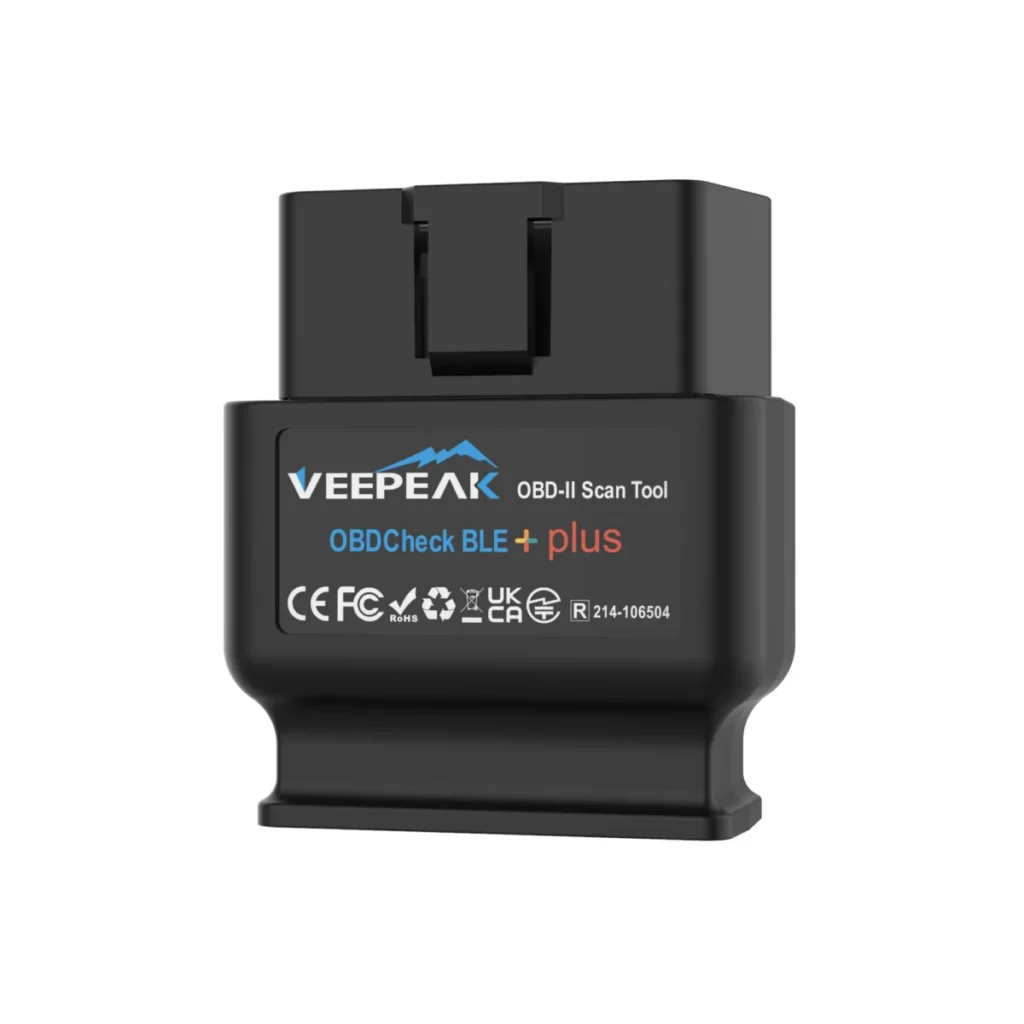
Bluetooth vs Wired OBD2 Scanner: Which Fits Your Phone, Car and Repair Job
Bluetooth OBD2 Scanner or Wired OBD2 Scanner? Compare what each type is and screen side by side, with clear rules for which…
OBD vs OBD2 Scanner: What the Names Mean and Which Tool Your Car Needs
OBD is the standard family and OBD2 is the 1996-and-newer version. See which device class reads your engine, ABS or airbag faults,…