OBD1 vs OBD2 Scanner: Which One Your Car Needs and What to Buy
Published October 30, 2026
As an Amazon Associate we earn from qualifying purchases. This never changes which products we recommend.
The OBD1 vs OBD2 Scanner decision is settled by the car, not by the tool: pre-1996 US vehicles (and pre-2001 petrol or pre-2003 diesel in Europe) use OBD1 with brand-specific connectors and codes, while 1996-and-newer US cars use the standardized OBD-II port and generic P codes.
The single deciding tradeoff is coverage versus standardization: an OBD1 setup buys access to older cars at the cost of adapters and brand-by-brand depth, and an OBD2 tool buys one plug and one code language at the cost of being useless on a pre-1996 vehicle.
Two representative listings show the split clearly. The Innova 5610 bundle pairs a bidirectional OBD2 scan tool with an OBD1 connector kit for GM, Ford, Toyota, Chrysler, Jeep and Honda vehicles, so one handheld covers both generations. The Autel AL319 is a dedicated OBD2 code reader for post-1996 cars with the 16-pin diagnostic link connector, and it cannot connect to an OBD1 vehicle at all.
Quick verdict
OBD1 Scanner suits owners of pre-1996 cars who accept brand-specific adapters and code schemes; OBD2 Scanner suits every 1996-and-newer vehicle with one standardized port and code format.
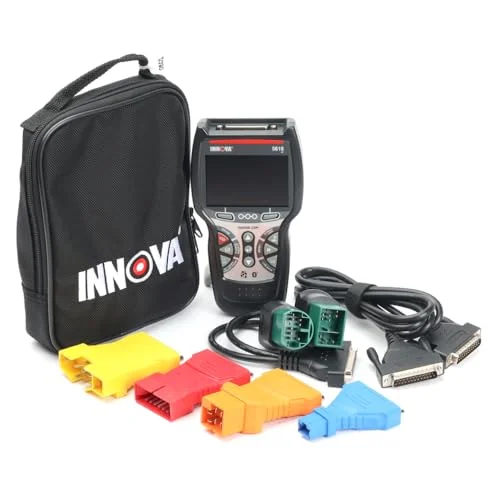
OBD1 Scanner
Brand-specific adapters, older cars
Choose OBD1 Scanner if your car predates the 1996 US mandate (or the 2001/2003 EU dates) and you need to read flash codes or run KOEO and KOER tests on a GM, Ford, Toyota, Chrysler, Jeep or Honda vehicle.
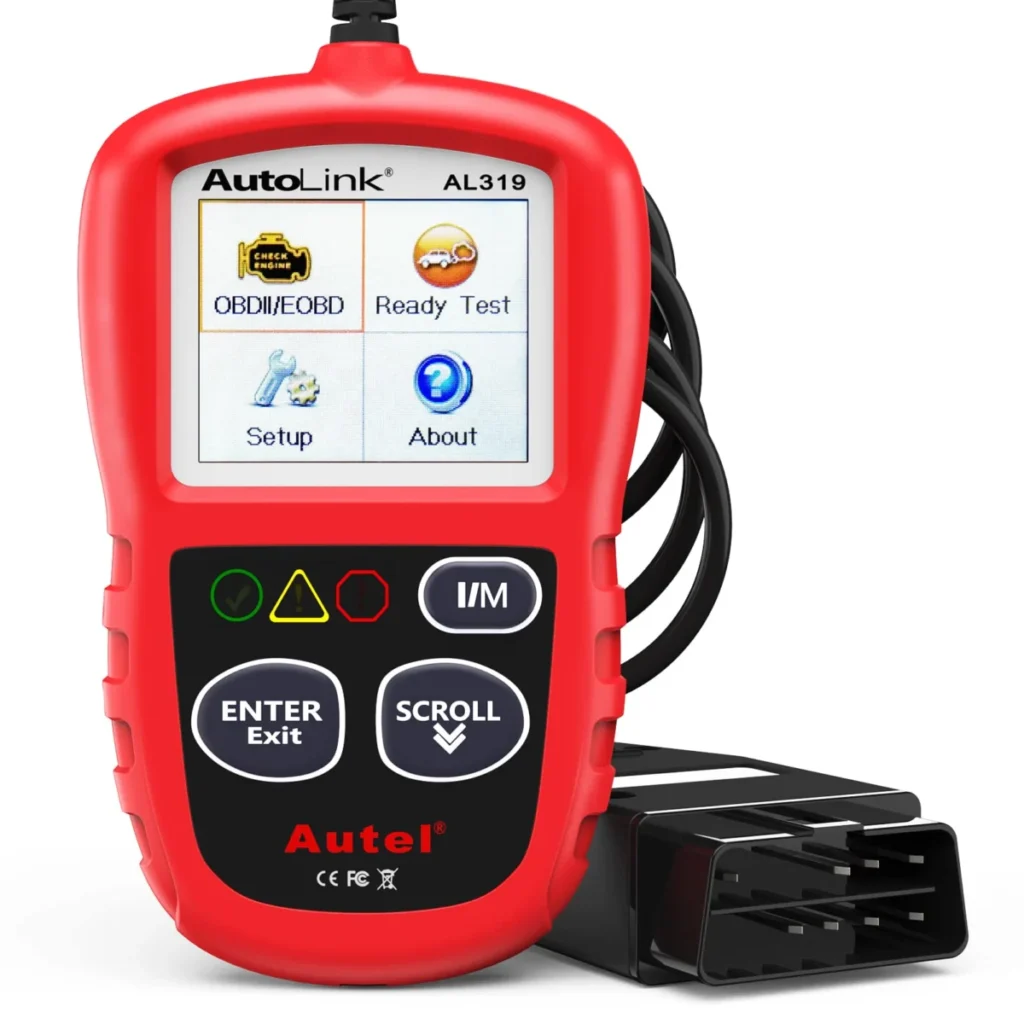
OBD2 Scanner
One plug, one code language
Choose OBD2 Scanner if your car is a 1996-or-newer US vehicle with a 16-pin OBD-II port and you want generic powertrain codes, freeze frame, live data and I/M readiness from one plug.
Key takeaways
- OBD1 Scanner coverage is brand-specific: the Innova OBD1 kit lists GM 1982 to 1993 and some 1994 to 1995, Ford 1983 to 1995, Toyota 1991 to 1995, Chrysler 1984 to 1995, Jeep 1993 to 1995 and Honda, so no single adapter fits every old car.
- OBD2 Scanner coverage is standardized: the Autel AL319 works on post-1996 vehicles with the 16-pin DLC and reads generic codes, freeze frame, live data and I/M readiness without brand matching.
- An OBD1 adapter cable changes the plug, not the protocol, so the scan tool behind it must already support that manufacturer's older diagnostic scheme.
- Device class matters more than generation on the OBD2 side: a code reader reads engine codes only, while a bidirectional scan tool like the Innova 5610 also reaches ABS, SRS and transmission data.
Table of contents9 sections · tap to expand
What is an OBD1 Scanner?
OBD1 Scanner is a diagnostic tool or adapter set built for pre-1996 vehicles, using each manufacturer's own connector and code scheme rather than a shared standard.
What is an OBD2 Scanner?
OBD2 Scanner is a diagnostic tool built for the standardized OBD-II system, connecting to the 16-pin J1962 port and reading generic P, B, C and U codes plus emissions data.
At a glance
OBD1 Scanner vs OBD2 Scanner at a glance
| Criterion | OBD1 Scanner | OBD2 Scanner |
|---|---|---|
| Model years and connector | Pre-1996 US; brand-specific ALDL and other connectors | 1996-and-newer US; 16-pin J1962 DLC |
| Systems read | Engine and emissions-related tests only | Engine on a code reader; ABS, SRS and transmission on enhanced tools |
| Code format | Manufacturer-specific flash and two-digit codes | Standardized P, B, C and U codes plus manufacturer-specific codes |
| Live data and freeze frame | Limited; depends on the tool and the vehicle | Live data, freeze frame and I/M readiness standard |
| Bidirectional control and resets | Output state, wiggle and cylinder balance tests on supported Fords | Active tests and service resets on bidirectional tools only |
| Platform and connection | Wired handheld plus adapter cables | Wired handheld, Bluetooth adapter or Wi-Fi adapter with an app |
| Updates and subscription | Not stated for the OBD1 kit; tied to the host tool | Free lifetime updates on the Autel AL319; none stated for the Innova 5610 |
| Brand coverage depth | Deep on listed brands, absent elsewhere | Broad across makes; depth varies by tool class |
Key differences
7 key differences between OBD1 Scanner and OBD2 Scanner
1. The model-year boundary that decides the purchase
OBD-II is mandatory on US cars from 1996, with CAN bus mandatory from 2008; EU petrol cars moved to EOBD in 2001 and diesels in 2003. Anything older sits in OBD1 territory, where each manufacturer ran its own system.
The practical test is the connector, not the badge. A 16-pin OBD-II port under the dash means an OBD2 tool will connect; an assembly-line diagnostic link connector under the hood means you need an OBD1 adapter and a tool that speaks that brand's protocol.
2. Connectors and protocols: one standard against many
OBD2 uses the J1962 16-pin DLC and a small set of protocols: CAN with ISO 15765, plus the older J1850 PWM, J1850 VPW, ISO 9141-2 and KWP2000 lines on earlier cars. One plug, one pinout, any compliant tool.
OBD1 has no shared standard. GM used a 12-pin ALDL, Ford used EEC-IV connectors, and Toyota, Chrysler, Jeep and Honda each had their own. The Innova OBD1 kit exists precisely because one adapter cannot cover them all, and an adapter cable only changes the plug, not the protocol the scan tool must decode.
3. Code formats: flash codes against P, B, C and U
OBD1 codes are manufacturer-specific, often delivered as flashed sequences on a dash light or as two-digit numbers a tester counts. The same number can mean different things on a Ford and a Toyota, so you need the right chart for the right brand.
OBD2 codes are standardized at the first digit: P for powertrain, B for body, C for chassis and U for network, with generic definitions every tool reads and manufacturer-specific codes layered on top. That is why a P0420 means the same thing on almost any 1996-or-newer car.
4. What each side can actually read
An OBD1 scanner reads engine and emissions data and, on supported Fords, runs KOEO, KOER, timing, cylinder balance, output state and wiggle tests. It does not give you the module-by-module view modern drivers expect, and ABS or airbag coverage on OBD1 is rare and brand-dependent.
On the OBD2 side the tool class sets the ceiling. A code reader like the Autel AL319 reads engine codes, freeze frame, live data and I/M readiness only. A bidirectional scan tool like the Innova 5610 adds ABS, SRS airbag and transmission live data, which a basic reader cannot see at all.
5. Live data, freeze frame and readiness monitors
OBD2 standardizes live data PIDs, freeze frame capture and I/M readiness monitors, so any compliant tool can show what the engine saw when a fault set and whether the emissions monitors have run. That is the backbone of smog-check diagnosis.
OBD1 offers far less of this in a standardized form. Some systems report sensor values through the tester, but there is no shared PID list and no readiness monitor framework, so diagnosis leans on the brand's test procedures rather than a universal data screen.
6. Software, apps and update costs
The Autel AL319 includes free lifetime updates and needs no battery, running off the car's port. The Innova 5610 lists updates included with no subscription fee stated, and pairs with the RepairSolutions2 app for wireless OBD2 live information.
OBD1 support is usually bundled into the host tool or sold as an adapter kit, and the listing does not state a separate update term for the kit. Budget for the host scan tool first; the adapters are an add-on, not a standalone diagnostic system.
7. Mixed fleets and cars that straddle the line
If you service both an older project car and a 1996-or-newer daily driver, a bundle like the Innova 5610 with the OBD1 kit is the one-box answer: OBD2 through the 16-pin port, OBD1 through the brand adapters. Check that your specific old car's brand and year appear in the adapter list before buying.
For a single modern car, a dedicated OBD2 tool is simpler and cheaper to live with. For a single pre-1996 car, confirm the connector type and code scheme first, because buying the wrong adapter set leaves you with a cable that fits nothing you own.
OBD1 Scanner: strengths and limitations
OBD1 Scanner covers pre-1996 vehicles through brand-specific adapters and older test routines. It is the only way to read many older cars, but coverage is narrow and tied to listed makes and years.
Strengths
- Reaches pre-1996 cars that no OBD2 tool can connect to
- Runs older functional tests such as KOEO, KOER and cylinder balance on supported Fords
- Bundled kits let one handheld serve both generations
Limitations
- Coverage is limited to listed brands and year ranges
- No standardized live data, freeze frame or readiness monitors
- An adapter changes the plug, not the protocol, so the host tool must support the brand
Innova 5610 with OBD1 Kit
A bidirectional OBD2 scan tool bundled with OBD1 adapters for GM, Ford, Toyota, Chrysler, Jeep and Honda, so one handheld serves both generations. It reads ABS, SRS and transmission live data on OBD2 cars and runs older functional tests through the kit.
OBD2 Scanner: strengths and limitations
OBD2 Scanner covers every 1996-and-newer US vehicle through one 16-pin port and one code language. What it can read depends on class, from engine-only code readers to bidirectional tools with ABS and SRS.
Strengths
- One connector and standardized P, B, C and U codes across makes
- Freeze frame, live data and I/M readiness available on basic tools
- Free lifetime updates on the Autel AL319 and no battery needed
Limitations
- Cannot connect to a pre-1996 OBD1 vehicle at all
- A code reader sees engine codes only, not ABS, SRS or transmission
- Enhanced systems and bidirectional tests require a higher tool class
Autel AL319 OBD2 Code Reader
A dedicated post-1996 code reader with freeze frame, live data, I/M readiness and free lifetime updates. It is engine-only and read-only, so it suits a first check engine light rather than ABS or airbag work.
Decision guide
Which should you choose?
| If you… | Choose | Why |
|---|---|---|
| A 1993 Ford with EEC-IV and a check engine light | OBD1 Scanner | EEC-IV needs an OBD1 adapter and supports KOEO, KOER and cylinder balance tests, which no OBD2 tool performs. |
| A 2012 daily driver with a P0420 code | OBD2 Scanner | The catalyst efficiency code is a generic OBD2 powertrain code read through the 16-pin port in seconds. |
| A used-car buyer inspecting a car of unknown generation | Either | Check the port first: a 16-pin DLC means OBD2, an assembly-line connector means OBD1 and a different tool. |
| A DIY mechanic with a 1988 project car and a 2015 commuter | OBD1 Scanner | The Innova 5610 bundle covers both generations in one handheld, so the OBD1 kit earns its place alongside OBD2. |
| A first-time owner who just wants to clear a check engine light | OBD2 Scanner | A basic OBD2 code reader reads and clears codes with no adapters, batteries or brand matching. |
Choose OBD1 Scanner if
- Your car is pre-1996 and its brand and year appear on the adapter list
- You need KOEO, KOER or cylinder balance tests on an EEC-IV Ford
- You already own a compatible scan tool and only need the OBD1 connector kit
- You maintain an older project car alongside a modern daily driver
Choose OBD2 Scanner if
- Your car is a 1996-or-newer US vehicle with a 16-pin OBD-II port
- You want to read and clear a check engine light with no adapters or brand matching
- You need freeze frame, live data and I/M readiness before an emissions check
- You want ABS, SRS or transmission data, which calls for a bidirectional scan tool rather than a code reader
See also: 7 OBD1 to OBD2 Adapters Ranked by Connector, Not Popularity.
Common questions
Frequently asked questions
Will an OBD2 scanner work on a pre-1996 car?
No. A pre-1996 car has no 16-pin OBD-II port and does not speak OBD2 protocols, so an OBD2 tool has nothing to connect to. You need an OBD1 adapter matched to that manufacturer and a scan tool that supports its older diagnostic scheme.
Is OBD1 better than OBD2?
Neither is better in the abstract; they serve different cars. OBD2 is more standardized and exposes more data, while OBD1 is the only option for older vehicles and offers brand-specific functional tests that OBD2 tools do not run.
Do I need a different scanner for each car brand?
On the OBD2 side, no: one compliant tool reads generic codes on any 1996-and-newer car, though enhanced ABS and SRS coverage varies by make. On the OBD1 side, yes in practice, because connectors and code schemes differ by manufacturer.
Can an OBD1 scanner read ABS and airbag codes?
Rarely. OBD1 systems were built around engine and emissions diagnostics, and ABS or airbag access depends on the specific brand, year and tool. Treat airbag and ABS faults on an older car as a job for a specialist or the service manual.
What is the difference between an OBD1 scanner and an OBD2 scanner?
An OBD1 scanner uses manufacturer-specific connectors and codes for pre-1996 cars, while an OBD2 scanner uses the standardized 16-pin port and P, B, C and U codes on 1996-and-newer vehicles. The connector and code format, not the screen, are the real divide.
Which OBD scanner should I buy first?
Buy for the car you own now. A 1996-or-newer vehicle is served by an OBD2 code reader or scan tool, and a pre-1996 vehicle needs an OBD1 adapter kit plus a compatible host tool. If you own both, a bundle covers each generation.
Bottom line
The verdict
Choose the OBD1 side when the car predates 1996 in the US (or the EU dates) and its brand and year appear on the adapter list; the Innova 5610 bundle is the example here that spans both generations in one handheld. Choose the OBD2 side for any 1996-and-newer vehicle, starting with a code reader like the Autel AL319 if you only need engine codes, and stepping up to a bidirectional scan tool if ABS, SRS or transmission data matters.
The mistake to avoid is buying an adapter without checking the protocol, or buying an OBD2 tool for a car that has no 16-pin port. Match the tool to the connector first, then to the systems you need to read.
Keep reading

ANCEL vs Autel: Match the Scanner Tier to the Fault You Need to Read
Pair each ANCEL class with the closest Autel class: systems read, update costs, screens and languages, plus when neither entry model does…

Code Reader vs OBD2 Scanner: Where the Line Falls at Live Data and ABS
Code Reader vs OBD2 Scanner compared on where the line falls: powertrain codes versus other modules and live data, with clear guidance…
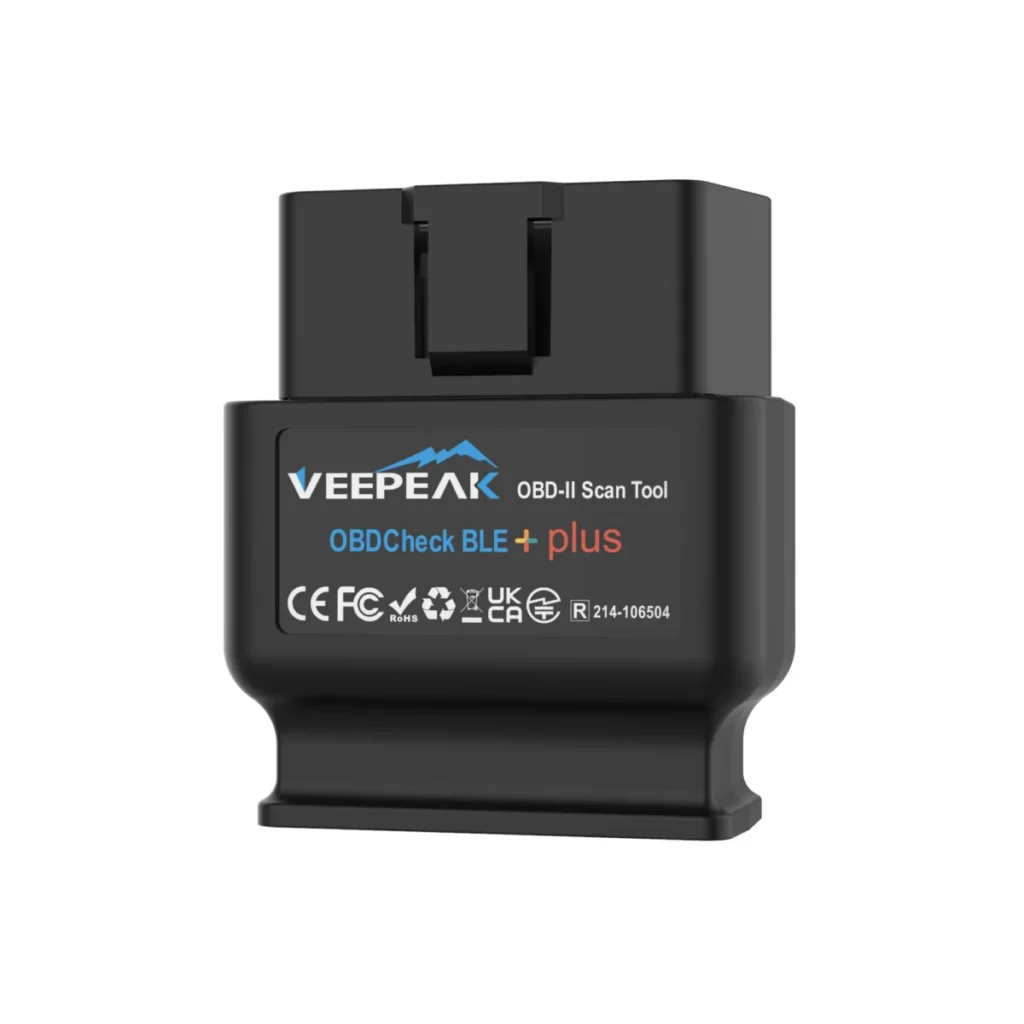
Bluetooth vs Wired OBD2 Scanner: Which Fits Your Phone, Car and Repair Job
Bluetooth OBD2 Scanner or Wired OBD2 Scanner? Compare what each type is and screen side by side, with clear rules for which…